Zumba / Dance Instructor
Service-based work leading dance fitness, Zumba, and beginner group dance sessions for local clients.
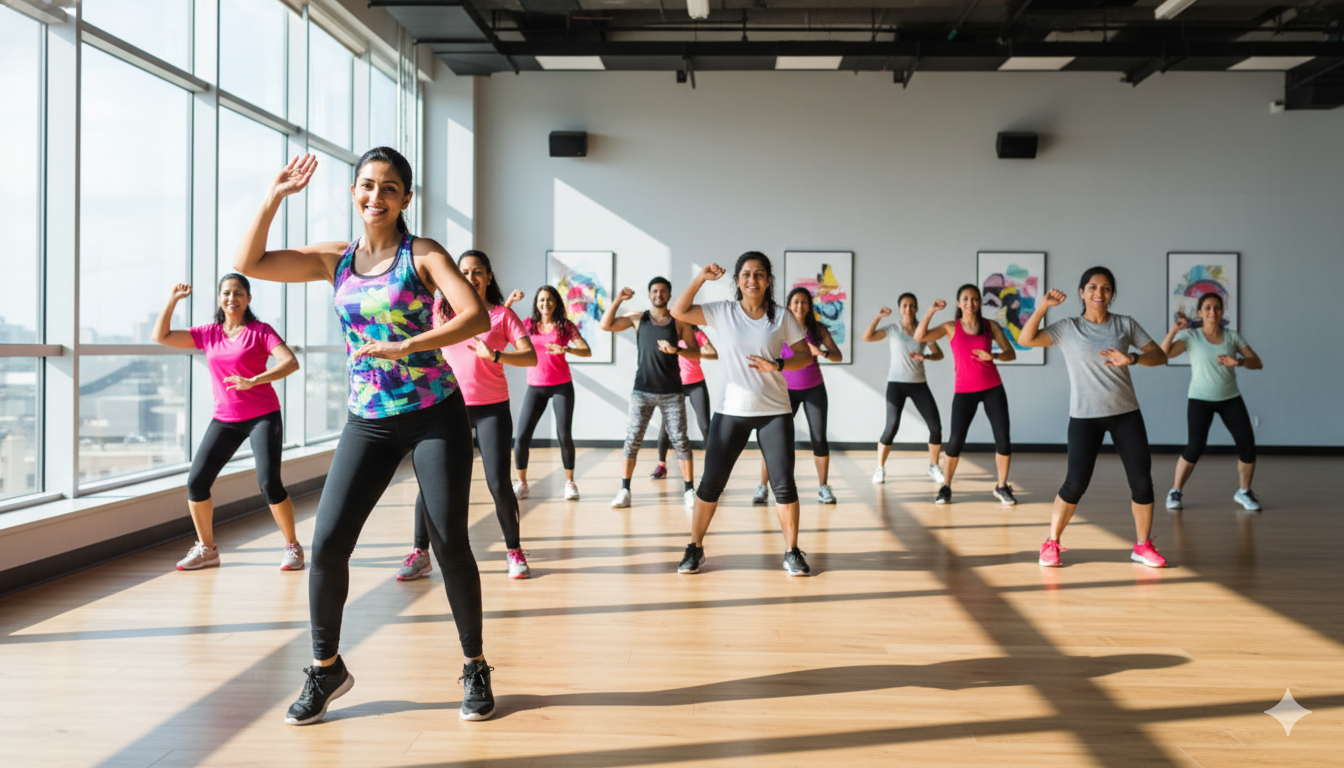
Overview
This opportunity involves leading Zumba sessions, dance fitness classes, beginner dance batches, rhythm-based exercise groups, and community movement sessions for women, children, youth, or mixed groups. Classes can be conducted from home, online, in apartment societies, community halls, studios, parks, or local rented spaces.
Who this is suitable for
Suitable for energetic adults who enjoy movement-based instruction, group engagement, and teaching simple dance or fitness routines in a motivating way.
Who should avoid it
Not ideal for users who dislike leading groups, repeated demonstration, loud class environments, or physically active instruction over multiple sessions.
First Steps
-
Choose a beginner-friendly class style
Begin with one clear format such as Zumba for beginners, women's dance fitness, kids dance batches, or simple rhythm exercise sessions instead of teaching many styles at once. -
Prepare a simple and repeatable class flow
Create sessions with warm-up, easy routines, step repetition, cool-down, and manageable energy levels so new learners can follow comfortably. -
Start with small local groups
Begin with neighbors, apartment communities, women's groups, school-age learners, or online mini-batches so you can refine your teaching pace and music flow. -
Track attendance and comfort level
Watch how well learners follow steps, stay engaged, and return regularly so you can adjust the routine difficulty and session energy. -
Grow through repeat batches and community referrals
Once classes become lively and consistent, expand into monthly batches, apartment sessions, themed dance fitness groups, and referral-based local teaching.
Risks and Challenges
-
Routines too difficult for beginners: If the pace or choreography is too hard, new learners may feel left out and stop attending.
-
Weak retention without enjoyable class flow: Learners may stop classes if sessions feel repetitive, confusing, or too intense for their level.
-
Mixed-level batch difficulty: If complete beginners and stronger participants are mixed without planning, session quality and satisfaction can drop.
-
Overpromising body transformation results: Promising unrealistic weight loss or quick visible changes can reduce trust because results depend on regular effort and personal conditions.
Practical Fit
Where It Works Best
Market Dependency:
Demand depends on local wellness interest, women's groups, apartment communities, school-age learners, and willingness to join paid activity classes.
How to Succeed
When you may start earning:
Often within 1 to 3 weeks
Success Tips:
Start with beginner-friendly batches, keep sessions fun and repeatable, maintain timing discipline, and build referrals through visible class energy and consistency.
Common Mistakes to Avoid:
Making routines too difficult, ignoring different fitness levels, weak class planning, and inconsistent timing can reduce retention quickly.