Tea and Snacks Stall
Popular micro-business option in high-footfall areas with low to moderate capital.
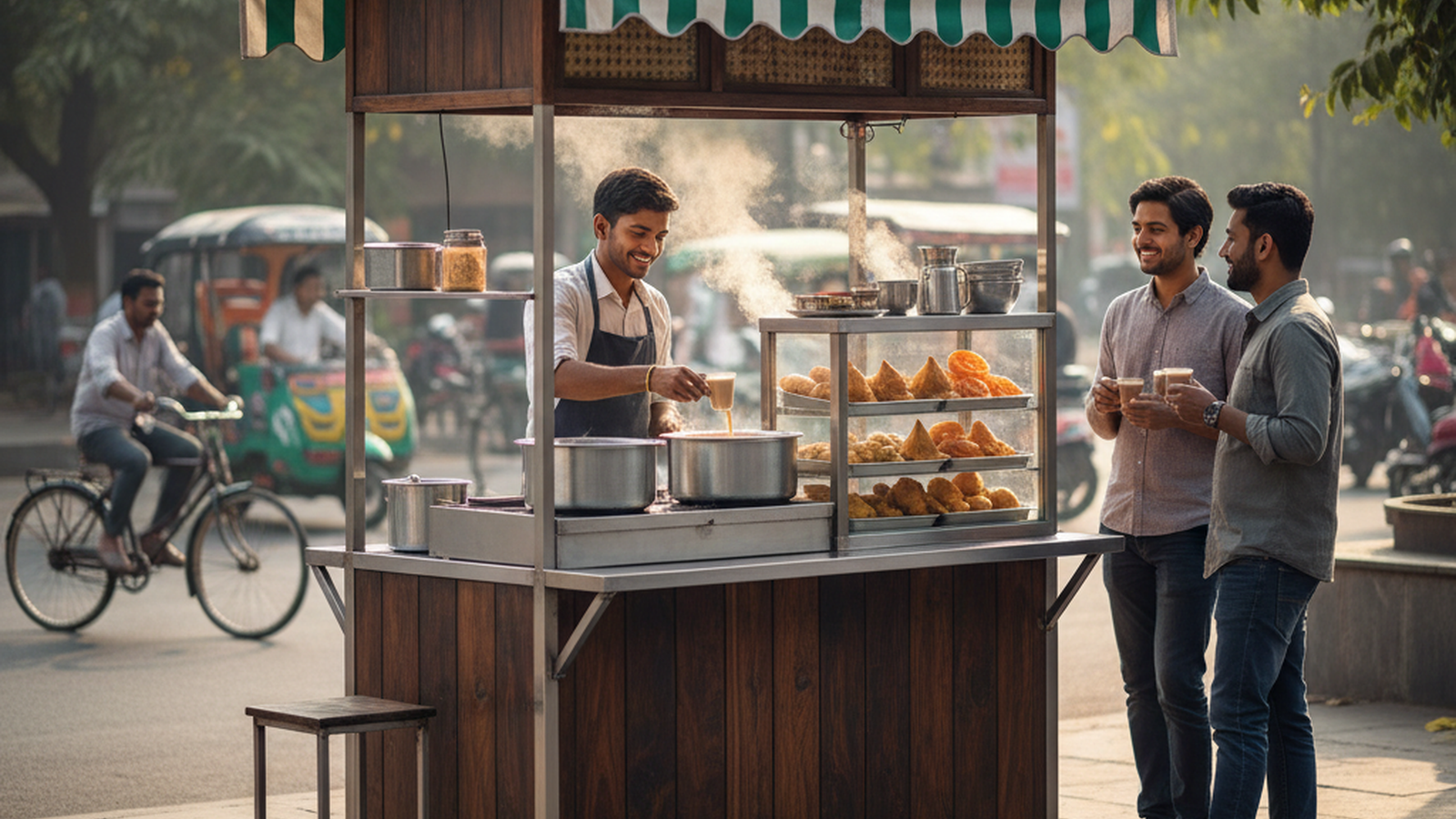
Overview
A tea and snacks stall can operate near offices, markets, bus stands, schools, or busy roads, serving affordable refreshments with repeat demand.
Who this is suitable for
Suitable for small-capital seekers with local market sense and willingness to manage daily operations.
Who should avoid it
Not ideal for users who cannot handle daily physical work, customer-facing activity, or supply management.
First Steps
-
Choose a high-footfall location
Study local foot traffic before deciding where to operate. -
Start with limited menu items
Keep your menu small and easy to prepare consistently. -
Track daily costs and sales
Monitor earnings carefully so you know your real profit. -
Fix pricing and daily supply routine
Keep affordable pricing, estimate daily demand carefully, and create a repeat supply system for milk, tea leaves, sugar, snacks, fuel, and disposables. -
Build repeat customers and add profitable items
Once the stall gets stable demand, improve margins through combo sales, breakfast items, seasonal snacks, and strong customer service.
Risks and Challenges
-
Weak location choice: A tea stall in a low-footfall location may struggle even if the product is good.
-
Poor location choice: Poor location choice is one of the biggest failure reasons because even a good menu may not sell well without enough daily footfall.
-
Food wastage and stock spoilage: Wrong demand estimates can cause milk, bread, cooked snacks, or fresh ingredients to spoil and reduce profit.
-
Hygiene and cleanliness issues: If serving quality, water hygiene, utensils, or stall cleanliness are poor, repeat business can drop quickly.
-
Thin profit if pricing is weak: Daily earnings may look strong, but real profit can shrink if raw material cost, fuel, helpers, and wastage are not controlled.
Practical Fit
Where It Works Best
Market Dependency:
Strongly depends on location footfall and pricing strategy.
Raw Material Dependency:
Requires regular raw material supply and food hygiene.
How to Succeed
When you may start earning:
Often within 1 to 2 weeks
Success Tips:
Choose the right location and keep quality consistent.
Common Mistakes to Avoid:
Poor location choice is one of the biggest failure reasons.