Plumber
Practical service-based work for pipe fitting, leak repairs, bathroom fittings, and water-line maintenance.
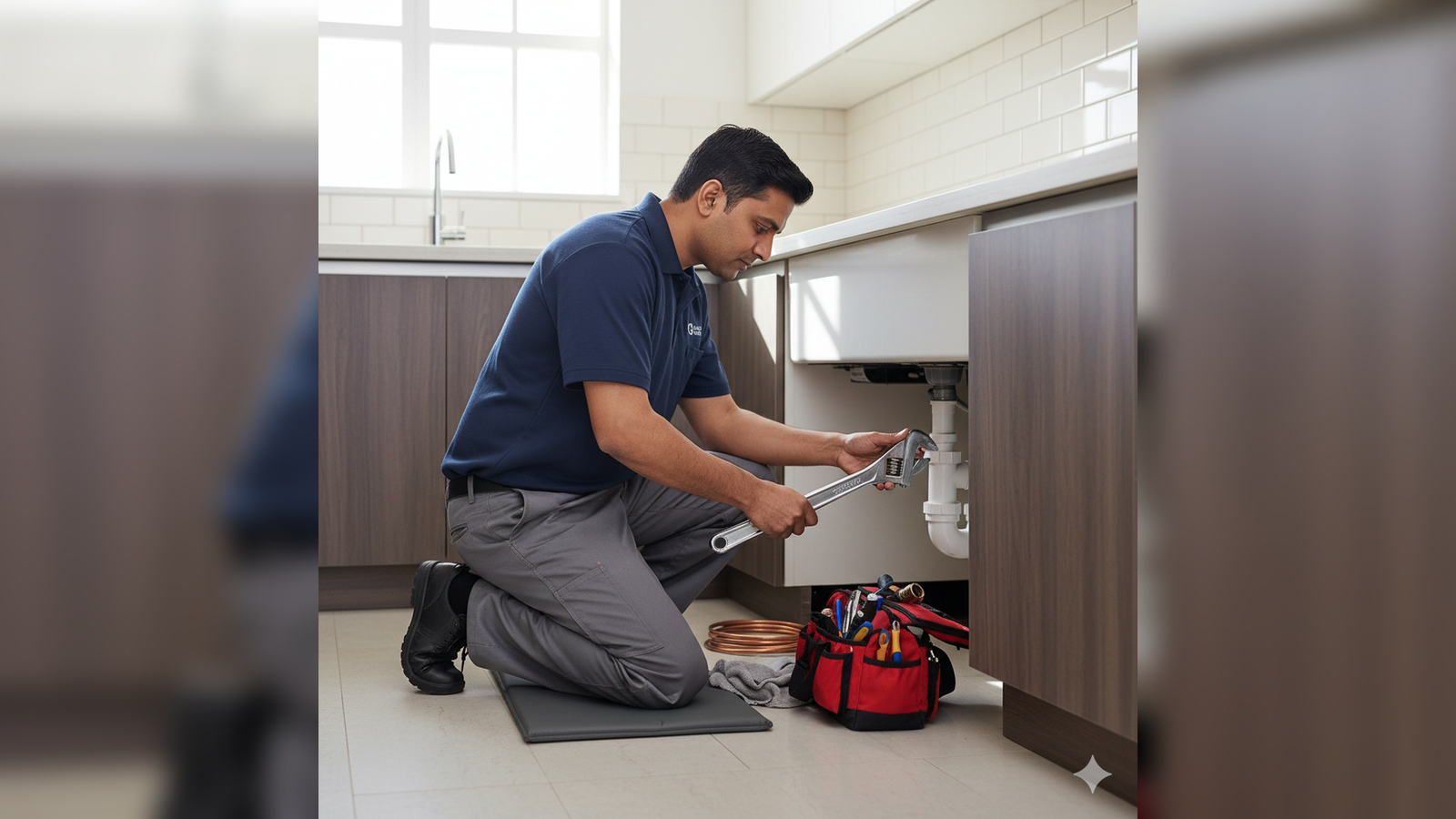
Overview
Plumbers handle water pipe installation, leak repairs, tap replacement, bathroom fitting work, drainage issue support, tank connection work, and general household or small commercial plumbing service. This can be done through contractor work or as an independent local service.
Who this is suitable for
Suitable for practical, hands-on adults and youth who can do field visits, use tools, solve repair issues, and build customer trust through local service.
Who should avoid it
Not ideal for users who dislike wet, dirty, or physically active repair work, or who are uncomfortable with on-site troubleshooting.
First Steps
-
Build safe starter plumbing skills
Learn basic pipe fitting, leak detection, tap replacement, drainage basics, bathroom fitting support, and safe tool handling before taking paid work. -
Arrange toolkit and common fittings access
Keep a usable tool kit ready and identify nearby plumbing suppliers for taps, connectors, washers, pipes, valves, seals, and repair consumables. -
Start with simple local repair jobs
Begin with smaller tasks such as tap repair, washbasin fitting, toilet flush issues, leakage repair, and basic bathroom maintenance before moving into larger jobs. -
Build local trust through timely service
Take jobs from neighbors, housing societies, shops, local contractors, and colony or village contacts, and focus on punctuality, neat work, and honest explanation of the issue. -
Expand into contractor and maintenance work
After building confidence and reputation, take recurring maintenance work, renovation support, and larger residential or small commercial plumbing jobs within your skill level.
Risks and Challenges
-
Wrong diagnosis of leaks or blockages: Misdiagnosing the source of a leak or drainage issue can lead to repeat visits, wasted material, and loss of customer trust.
-
Complex jobs too early: Taking advanced pipeline, concealed leakage, or major bathroom fitting jobs before enough experience can cause damage and customer complaints.
-
Irregular early income: In the beginning, work may depend heavily on referrals, local contacts, and seasonal repair demand, so income can fluctuate.
-
Underpricing materials and visits: Some workers charge only for visible parts and forget to price diagnosis time, travel, small fittings, and labor properly.
Practical Fit
Where It Works Best
Market Dependency:
Demand depends on housing density, repairs, new fitting work, contractor links, and recurring maintenance needs in homes and shops.
Raw Material Dependency:
Requires access to common plumbing fittings, pipes, taps, connectors, valves, and sealing materials.
How to Succeed
When you may start earning:
Usually within 2 to 6 weeks
Success Tips:
Start with safe basic jobs, keep work clean, explain charges clearly, and build referrals through reliability and quick response.
Common Mistakes to Avoid:
Taking complex jobs beyond skill level, poor leak diagnosis, weak finishing, and unclear pricing can reduce trust and create repeat complaints.