Dairy Farming
A livestock-based rural and semi-urban micro-business built around regular milk production and local milk sales.
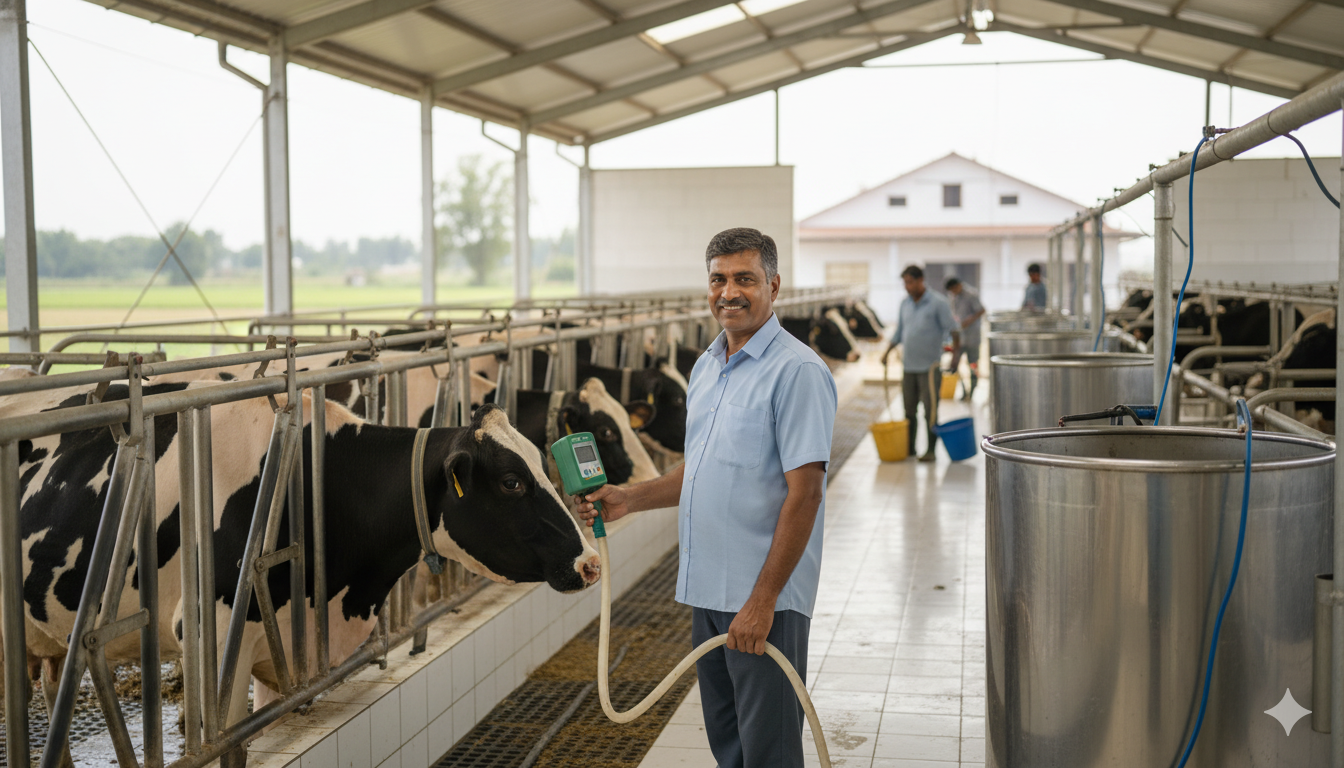
Overview
Dairy farming involves rearing cows or buffaloes for milk production and earning income through sale of raw milk, curd, ghee, paneer, or supply to households, milk collection centers, sweet shops, tea stalls, hotels, and local markets. This opportunity can begin on a small scale with one or two animals and may gradually expand into a larger dairy unit. It works best where fodder, water, animal care support, and reliable milk buyers are available. Dairy farming can provide recurring cash flow, but success depends heavily on animal health, feed cost control, hygiene, breeding management, and regular buyer relationships.
Who this is suitable for
Suitable for rural families, small landholders, homemakers with family support, and users who can manage daily animal care, feeding, cleaning, and regular local milk sales.
Who should avoid it
Not ideal for users without access to space, water, daily hands-on care, or those looking for a low-effort or fully home-office-type business.
First Steps
-
Assess space, water, and family capacity
Check whether you have enough space, daily water availability, waste disposal arrangement, and people who can help with feeding, cleaning, and milk handling. -
Decide your starting scale
Choose whether to begin with one or two animals or a slightly larger setup based on budget, shed space, feed availability, and buyer confidence. -
Arrange shed and feeding setup
Prepare a clean, shaded, and drain-friendly area with water access, feed storage, and basic tools for routine animal care and cleaning. -
Purchase healthy milk-producing animals
Buy only after checking health, age, milk yield, feeding history, and local veterinary opinion, so the initial investment is more secure. -
Secure milk buyers before full expansion
Identify households, tea stalls, sweet shops, milk vendors, or collection centers so that daily milk output has a reliable market. -
Set up daily care routine
Create a fixed schedule for feeding, watering, milking, cleaning, health observation, and record-keeping of milk output and expenses. -
Track costs and milk yield
Maintain simple records for feed cost, medicine, breeding, milk quantity, selling price, and buyer payments to understand true profitability. -
Expand into value-added dairy sales
Once stable, consider selling curd, paneer, ghee, or direct household subscriptions to improve margins and reduce dependence on bulk milk buyers.
Risks and Challenges
-
Animal health issues: Disease, poor feeding, or delayed treatment can reduce milk yield, increase costs, and sometimes cause major financial loss.
-
High feed and fodder cost: If feed prices rise or fodder is not planned properly, profit margins can shrink quickly.
-
Buyer and price instability: Local milk rates may fluctuate, and delayed payments from buyers can create cash flow stress.
-
Daily labor dependency: This business requires regular daily attention, so illness, travel, or lack of family help can disrupt operations.
-
Poor animal selection at purchase: Buying unhealthy or low-yield animals without proper checking can lock in a bad investment from the start.
Practical Fit
Where It Works Best
Market Dependency:
Depends on local milk demand, buyer reliability, milk pricing, competition from local dairies, and access to households, vendors, or collection centers.
Raw Material Dependency:
Strong dependence on fodder, dry feed, green feed, water, veterinary support, and animal health inputs.
How to Succeed
When you may start earning:
Usually within 1 to 3 months after setup, depending on whether milk-producing animals are purchased and local buyers are already available.
Success Tips:
Start small, buy healthy animals, maintain hygiene, secure regular buyers, control feed costs, and keep close watch on animal health and milk yield.
Common Mistakes to Avoid:
Buying poor-quality animals, ignoring vaccination and health care, weak hygiene, and not securing steady milk buyers can reduce profits quickly.