CCTV Installation Technician
Technical service work for installing and maintaining CCTV cameras, DVR systems, and basic surveillance setups.
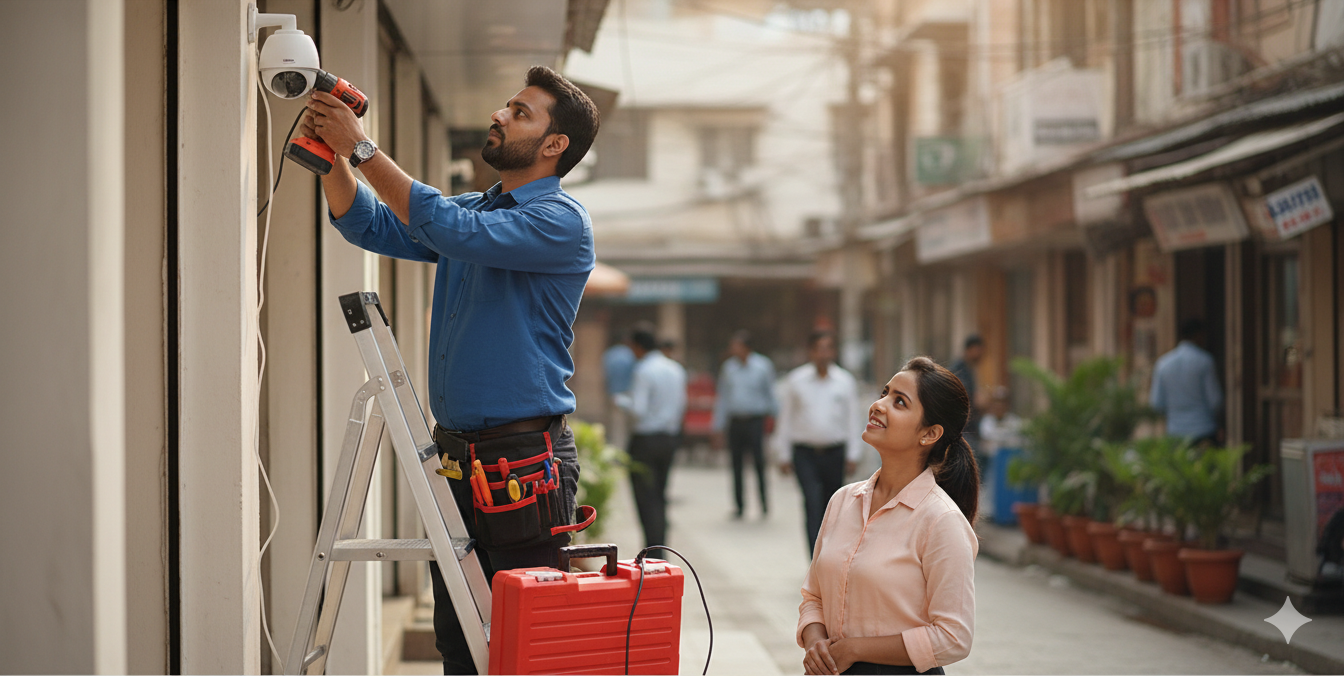
Overview
This opportunity involves installing CCTV cameras, DVR or NVR systems, wiring, basic network setup, angle adjustment, mobile-view configuration, and ongoing service or maintenance support for homes, shops, offices, schools, warehouses, and small commercial sites.
Who this is suitable for
Suitable for practical, technically inclined youth and adults who can do field service work, use tools, handle wiring, and explain basic system usage to customers.
Who should avoid it
Not ideal for users who dislike technical installation work, ladders or field visits, wiring tasks, or troubleshooting hardware and connectivity issues.
First Steps
-
Learn basic CCTV components and setup
Understand camera types, DVR or NVR units, power supply, cable routing, recording basics, and mobile-view setup before taking paid work. -
Arrange toolkit and installation materials
Keep a usable toolkit ready and identify reliable suppliers for cameras, cable, connectors, adapters, mounting hardware, and small accessories. -
Start with simple home or shop installations
Begin with smaller residential or shop setups involving a few cameras before attempting larger office, warehouse, or networking-heavy jobs. -
Explain camera placement and usage clearly
Guide customers on camera angles, recording coverage, storage basics, and simple mobile viewing so expectations are realistic. -
Grow through maintenance and referrals
After successful installations, build repeat income through maintenance visits, troubleshooting, upgrades, and referrals from satisfied clients.
Risks and Challenges
-
Wrong camera placement or coverage: If camera angles or placement are poor, the customer may feel the system is not useful even if it is installed correctly.
-
Complex configuration too early: Taking networking-heavy or large multi-camera installations too early can lead to delays, system issues, and unhappy customers.
-
Weak wiring and finishing quality: Poor cable management, loose fittings, or untidy installation work can reduce trust and create service calls later.
-
Underpricing materials and service time: If cable length, accessories, drilling, travel, and configuration time are not priced properly, actual profit may stay low.
Practical Fit
Where It Works Best
Market Dependency:
Demand depends on security awareness, growth in shops and housing, office installations, school and warehouse needs, and repeat maintenance demand.
Raw Material Dependency:
Depends on access to CCTV kits, cameras, cables, connectors, adapters, mounting hardware, and common surveillance spare parts.
How to Succeed
When you may start earning:
Usually within 2 to 6 weeks
Success Tips:
Start with smaller installations, keep wiring neat, explain usage clearly, and build trust through working systems and after-installation support.
Common Mistakes to Avoid:
Taking complex setups too early, poor cable management, weak configuration support, and unclear pricing can reduce trust and repeat business.