Catering Helper / Small Event Food Service
Practical food-service work for events, gatherings, parties, and small catering support assignments.
Overview
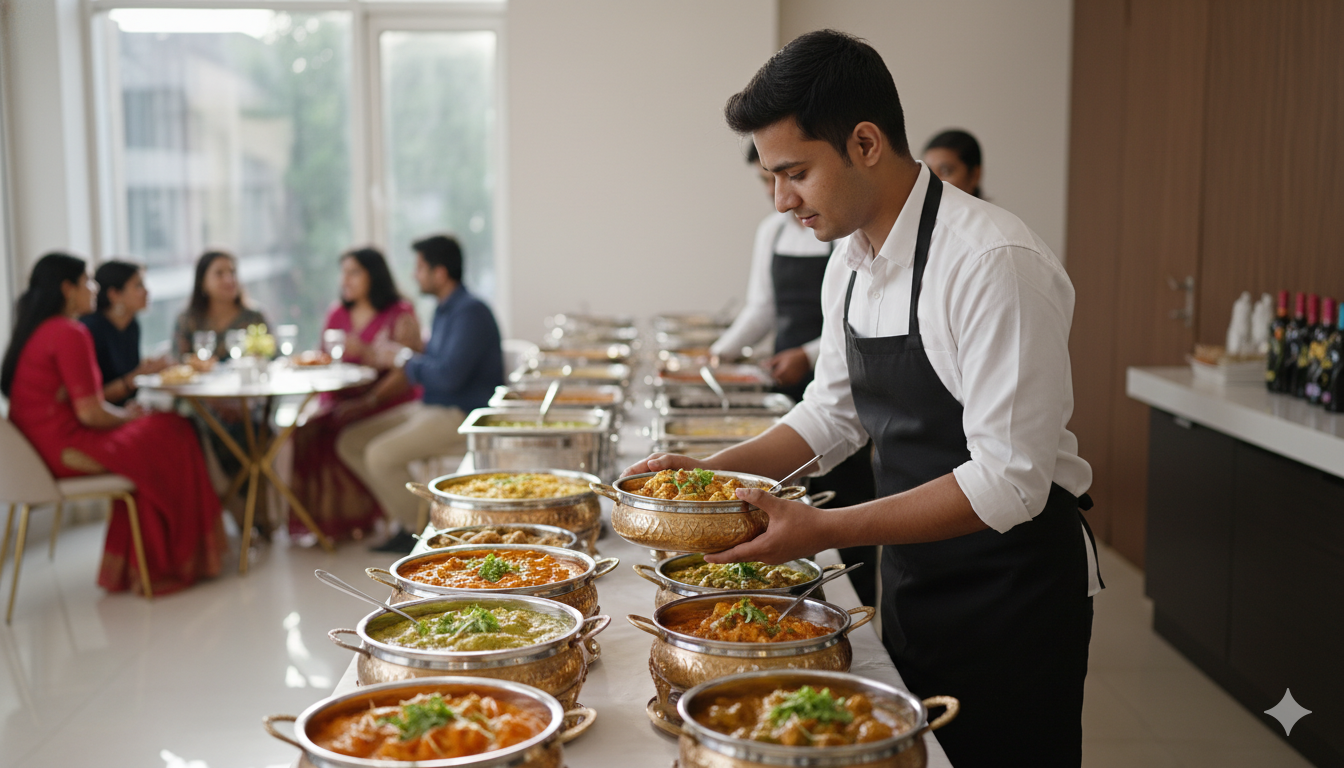
This opportunity involves helping with cooking preparation, packing, serving, counter support, cleaning, utensil setup, delivery assistance, buffet handling, and small event food service for weddings, birthdays, religious gatherings, office functions, and neighborhood events. It can be done as paid helper work or as a small family-supported service for local events.
Who this is suitable for
Suitable for practical adults, youth, families with cooking support, and people comfortable with event-based food work, serving, and flexible work timings.
Who should avoid it
Not ideal for users who dislike cooking support, standing for long hours, handling event rush, heat, cleaning, or irregular work schedules.
First Steps
-
Start with small local events
Begin with neighborhood birthdays, small religious gatherings, office tea-snack arrangements, or family events instead of large functions. -
Define your role clearly
Decide whether you will handle only helper work, serving support, snack preparation, full small-event food service, or family-supported catering assistance. -
Arrange utensils, prep flow, and serving support
Keep a simple system for ingredients, utensils, packing, serving order, cleaning supplies, and helper coordination before taking paid work. -
Estimate quantity and timing carefully
Confirm headcount, menu, start time, serving style, and transport or setup needs so you do not underprepare or delay service. -
Grow through reliability and referrals
Event food work grows strongly through local trust, so timely service, clean handling, and respectful behavior usually bring repeat bookings.
Risks and Challenges
-
Wrong quantity planning: Underestimating or overestimating food quantity can create embarrassment, wastage, or reduced profit.
-
Timing and serving pressure: Late delivery, slow setup, or poor serving coordination can create major dissatisfaction during events.
-
Weak hygiene discipline: Food handling, serving tools, and prep area cleanliness are critical because hygiene mistakes can quickly damage reputation.
-
Taking large events too early: Accepting events bigger than your current cooking or serving capacity can lead to poor execution and loss of trust.
Practical Fit
Where It Works Best
Market Dependency:
Demand depends on local event frequency, wedding season, religious gatherings, office functions, and family celebrations.
Raw Material Dependency:
Depends on access to ingredients, gas, utensils, helpers, and the ability to manage event-based prep and serving.
How to Succeed
When you may start earning:
Often within a few days to 2 weeks
Success Tips:
Start with small events, keep food handling clean, coordinate clearly on quantities and timing, and build trust through reliability.
Common Mistakes to Avoid:
Taking large orders too early, weak timing, poor hygiene, and underestimating serving or prep effort can reduce profit and repeat work.