Vegetable Farming for Market Sale
A crop-based rural and semi-urban micro-business focused on growing vegetables for regular sale in local markets and direct channels.
Overview
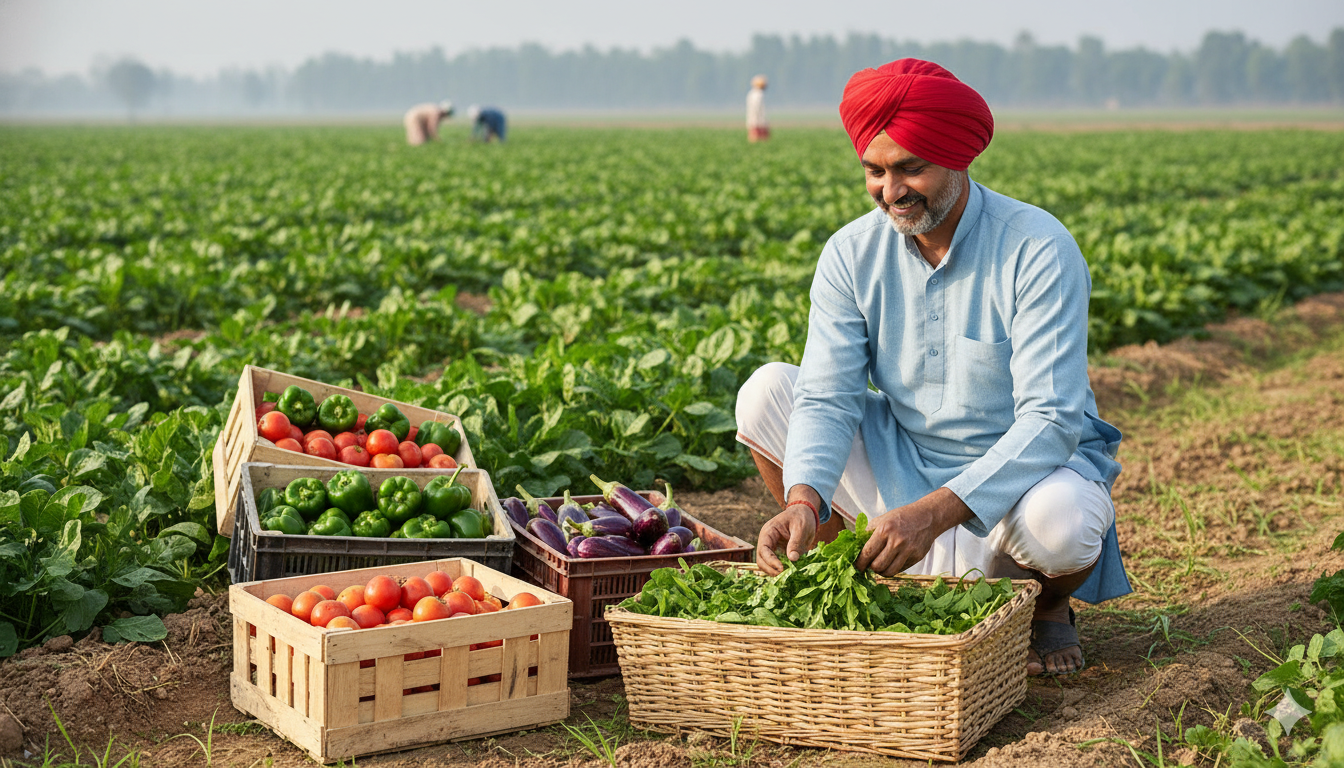
Vegetable farming for market sale involves cultivating one or more vegetable crops for selling to local mandis, traders, retailers, hotels, restaurants, households, or weekly markets. It can be done on small, medium, or larger plots and may include seasonal vegetables, short-duration crops, leafy greens, or mixed crop planning to create recurring cash flow. This opportunity works best where fertile land, water access, labor support, and nearby markets are available. It can provide regular income, but success depends heavily on crop planning, seed quality, irrigation, pest and disease control, harvesting discipline, cost management, and the ability to sell produce quickly at reasonable prices.
Who this is suitable for
Suitable for rural families, small landholders, experienced growers, and users who have access to land, water, and regular field work or family labor support.
Who should avoid it
Not ideal for users without land or reliable access to cultivation space, irrigation, or those seeking a very low-effort business with no exposure to weather or crop risk.
First Steps
-
Assess land, water, and local crop suitability
Check soil condition, irrigation availability, local climate, and which vegetables perform well and sell well in your nearby market. -
Choose crop plan and season carefully
Decide whether to grow one crop, mixed vegetables, or staggered planting based on budget, water, labor, and expected market demand. -
Prepare land and arrange inputs
Prepare the field properly and arrange seeds or seedlings, fertilizer, irrigation support, crop-care material, and labor before planting. -
Plant with spacing and timing discipline
Follow proper spacing, planting time, and basic crop practices so growth stays healthy and harvest quality improves. -
Monitor irrigation, weeds, and crop health
Maintain regular field checks for water stress, weeds, pests, and disease so losses are controlled early. -
Plan buyers before harvest
Identify mandi traders, local vendors, retailers, hotels, restaurants, or direct household buyers before the crop reaches peak harvest. -
Harvest, sort, and transport properly
Harvest at the right stage, sort produce by quality, and move it quickly so freshness and selling price remain better. -
Review crop results and improve next cycle
Track yield, selling rate, crop losses, and buyer response so you can choose better crops and timings in the next season.
Risks and Challenges
-
Weather and crop failure risk: Unexpected rain, heat, water shortage, or other weather problems can damage the crop and reduce final yield.
-
Pest and disease pressure: Vegetable crops can suffer heavy losses if pests and diseases are not controlled early and consistently.
-
Price fluctuation at harvest time: Vegetable prices can fall sharply during oversupply, especially if many farmers harvest the same crop together.
-
Perishability and quick sale pressure: Vegetables are highly perishable, so delayed sale or weak transport can reduce quality and selling price.
-
Weak crop and market planning: Choosing the wrong crop, wrong season, or not lining up buyers can reduce profit even when production is good.
Practical Fit
Where It Works Best
Market Dependency:
Depends on local mandi prices, trader demand, seasonal oversupply, nearby retail demand, transport access, and the ability to sell quickly after harvest.
Raw Material Dependency:
Strong dependence on seeds or seedlings, water, fertilizer, pest-control inputs, labor, and weather conditions during the crop cycle.
How to Succeed
When you may start earning:
Usually within 1 to 4 months depending on crop type, season, irrigation support, and local sale channel.
Success Tips:
Choose crops based on local demand, stagger planting when possible, control costs carefully, maintain crop health, and secure buyers before peak harvest.
Common Mistakes to Avoid:
Growing the wrong crop for the season, poor pest control, weak irrigation planning, harvesting too much at once without buyers, and ignoring market timing can reduce profits sharply.