Dairy / Small Milk Supply Business
Resource-based rural and semi-urban micro-business for users with space and livestock readiness.
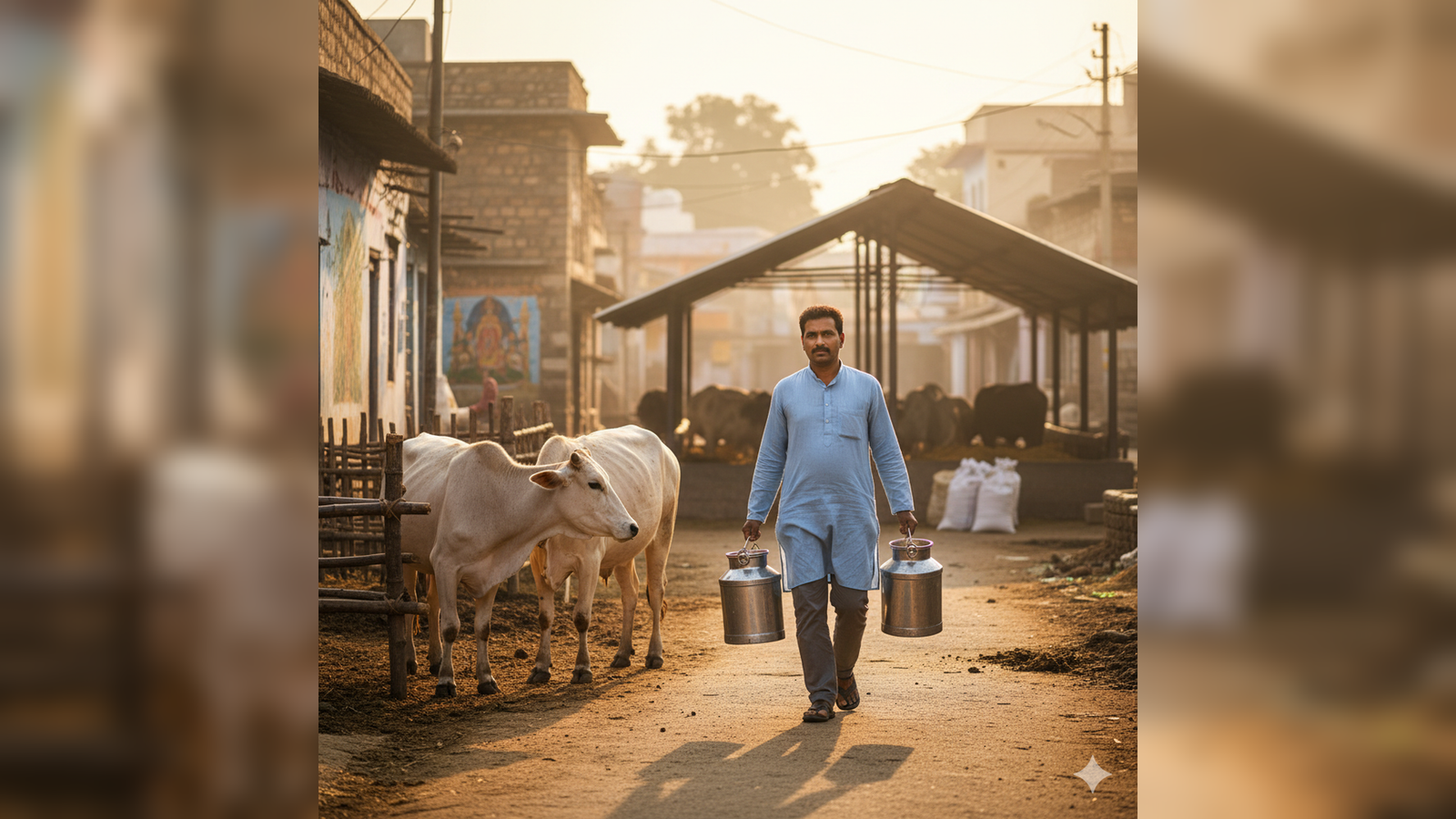
Overview
Small-scale milk supply can be built around one or more dairy animals, local delivery, neighborhood subscriptions, and sale of related products such as curd or ghee.
Who this is suitable for
Suitable for users with land/space, family support, and rural or semi-urban access.
Who should avoid it
Not ideal for users without space, daily routine discipline, or willingness to manage livestock care.
First Steps
-
Assess space, water, and daily care capacity
Confirm that you have enough space, feeding arrangement, water access, and family time to manage dairy animals every day without interruption. -
Start with a small manageable setup
Begin with one or a few animals instead of expanding too fast, so you can understand feeding cost, milk output, hygiene, and local demand properly. -
Build local regular customers
Focus on nearby households, tea shops, sweet shops, or small local buyers who want regular fresh milk supply and predictable timing. -
Maintain hygiene and delivery discipline
Use clean containers, follow a fixed milking and delivery routine, and keep trust high through freshness, consistency, and honest quantity. -
Expand with value-added products carefully
Once milk supply stabilizes, explore curd, paneer, or ghee sales only if you can maintain quality, storage, and repeat customer demand.
Risks and Challenges
-
Recurring animal care costs: Feed and health care costs must be managed carefully in dairy-based work.
-
Animal health disruption: Milk output and income can drop if animals become sick, stressed, or poorly managed, especially when veterinary support is not timely.
-
Demand and spoilage management: Milk is highly perishable, so weak demand planning, late delivery, or storage gaps can quickly create losses.
-
Underestimating daily routine pressure: This work needs consistent daily effort without long gaps, so people who underestimate the routine may struggle to maintain quality and supply.
Practical Fit
Where It Works Best
Market Dependency:
Best in rural and semi-urban markets with consistent local demand.
Raw Material Dependency:
Feed cost, veterinary support, and animal health matter heavily.
How to Succeed
When you may start earning:
Usually after 1 to 2 months
Success Tips:
Start small, ensure hygiene, and build regular local customers.
Common Mistakes to Avoid:
Underestimating daily care and recurring costs creates problems.