Poultry Farming
A rural and semi-urban micro-business based on rearing birds for eggs, meat, or local poultry sales.
Overview
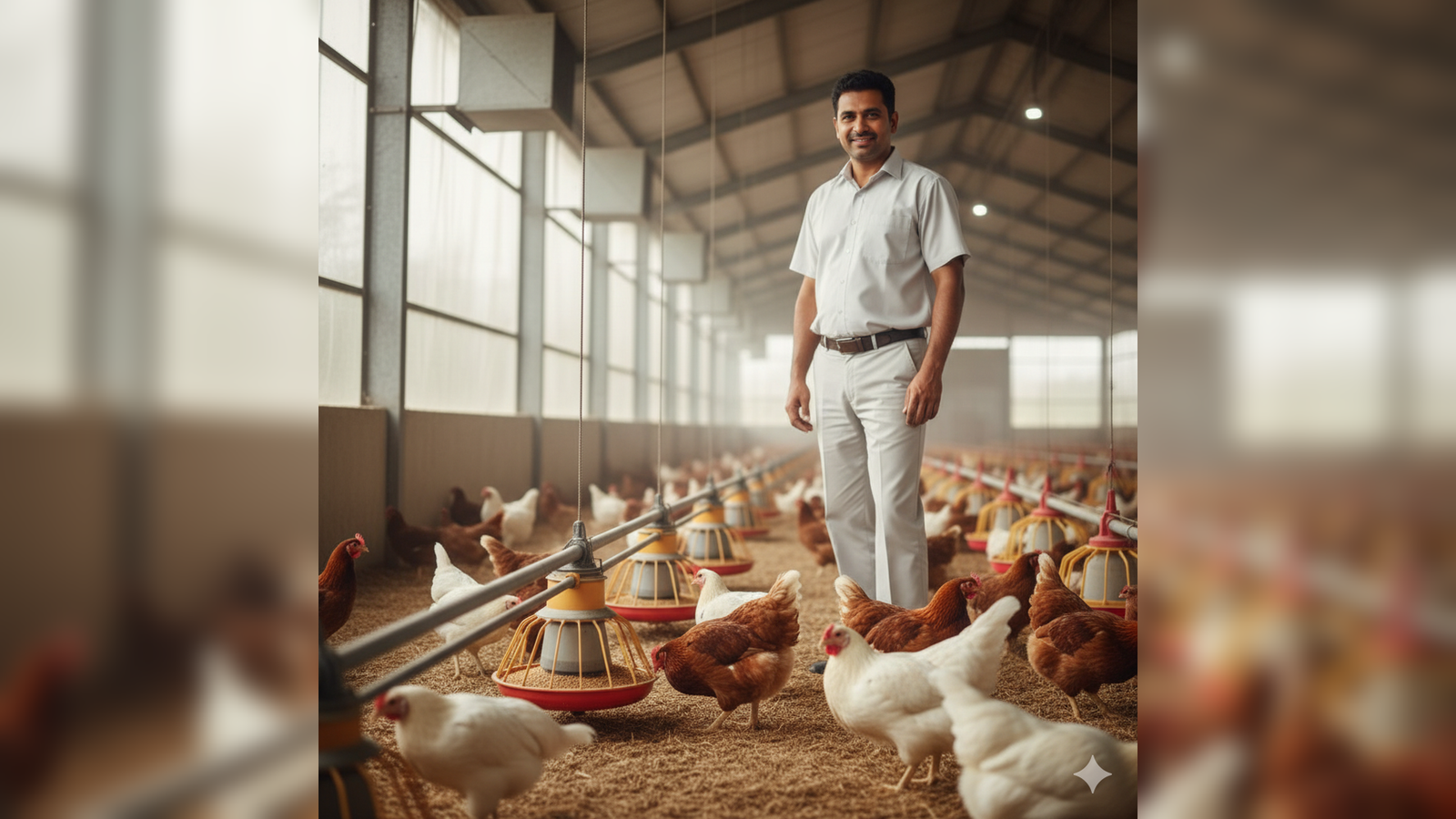
Poultry farming involves raising chickens or other birds for egg production, meat production, chick rearing, or local poultry sales. It can begin on a small scale in a backyard or shed-based setup and later expand into a more organized unit. Income may come from sale of eggs, live birds, dressed birds, chicks, or local supply to households, shops, restaurants, and traders. This opportunity works best where feed supply, clean water, disease control, and market access are manageable. Poultry farming can generate relatively faster income than some other farm businesses, but it requires close attention to bird health, feed efficiency, hygiene, mortality control, and steady buyers.
Who this is suitable for
Suitable for rural families, small-capital seekers, homemakers with family support, and users who can manage daily feeding, cleaning, bird observation, and local sale coordination.
Who should avoid it
Not ideal for users who cannot manage regular animal care, hygiene, disease prevention, smell and waste handling, or who want a purely low-maintenance business.
First Steps
-
Choose your poultry model
Decide whether to focus on egg production, meat birds, backyard poultry, chick rearing, or a mixed small-scale local sales model. -
Assess space, water, and daily care capacity
Check whether you have enough space, ventilation, water supply, cleaning ability, and daily time or family support to care for birds properly. -
Prepare housing and equipment
Set up a clean and secure shed, cage, or backyard arrangement with feeders, drinkers, litter or flooring management, and protection from weather and predators. -
Source healthy birds and feed
Buy chicks or birds only from reliable sources and arrange suitable feed and basic health support before bringing birds into the setup. -
Plan your buyers early
Identify households, egg shops, local vendors, meat buyers, hotels, or traders before production starts so sales pressure is reduced later. -
Follow daily health and hygiene routine
Maintain feeding, watering, cleaning, ventilation, bird observation, mortality tracking, and disease-prevention discipline every day. -
Track feed cost and output
Keep records of bird count, feed usage, mortality, egg count or sale weight, medicine cost, and selling price to understand profit properly. -
Scale carefully after stabilizing
Expand only after mortality is controlled, sales are stable, and your feed and working-capital planning is strong enough for a larger batch.
Risks and Challenges
-
Disease and mortality risk: Bird illness can spread fast and cause sudden losses if hygiene, vaccination, or observation is weak.
-
Feed cost pressure: Feed is a major running cost, and price increases can reduce profit quickly if selling prices do not rise accordingly.
-
Buyer and price fluctuation: Egg and poultry prices may change by season, local demand, and trader behavior, affecting revenue stability.
-
Overcrowding and poor ventilation: If birds are kept in weak housing conditions, stress, disease, and mortality can increase rapidly.
-
Starting too large too early: A big initial batch without proper care systems, feed planning, and buyers can create heavy losses in the first cycle.
Practical Fit
Where It Works Best
Market Dependency:
Depends on local demand for eggs or meat, selling price, buyer reliability, seasonal consumption, and access to nearby markets or traders.
Raw Material Dependency:
Strong dependence on feed, chicks or young birds, water, bedding or litter material, medicines, vaccination support, and hygiene supplies.
How to Succeed
When you may start earning:
Usually within 1 to 2 months depending on the model, such as egg-laying birds, broiler cycle timing, or local direct-sale setup.
Success Tips:
Start with a manageable number of birds, maintain strict hygiene, monitor mortality closely, secure buyers early, and control feed and disease risks carefully.
Common Mistakes to Avoid:
Overcrowding birds, weak hygiene, poor vaccination discipline, wrong feed planning, and starting too large without buyer clarity can cause major losses.