Organic Farming
A crop-based micro-business focused on growing produce using organic practices for health-conscious and premium buyers.
Overview
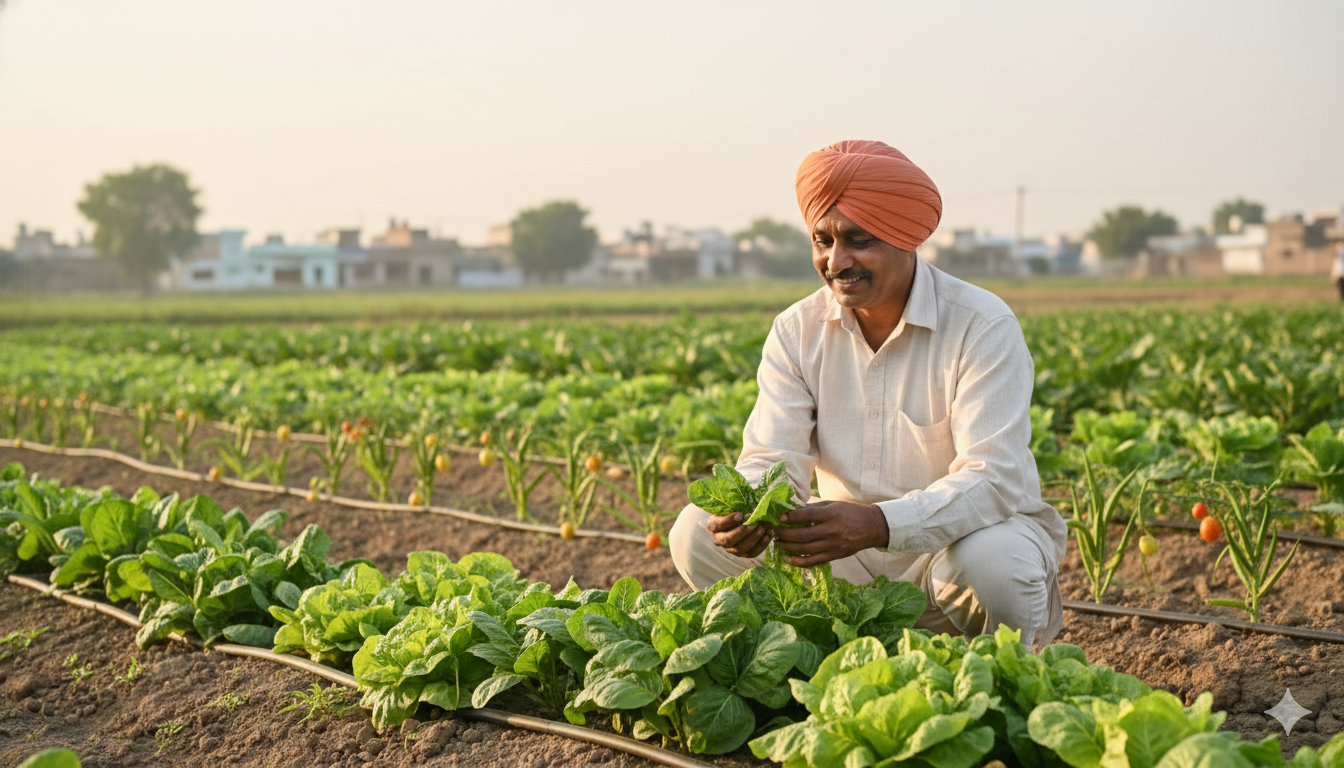
Organic farming involves growing crops using natural and approved organic methods instead of relying mainly on synthetic chemical inputs. Depending on the farm model, this may include vegetables, grains, pulses, fruits, herbs, spices, or mixed farming systems. Income comes from selling produce to local households, organic buyers, retailers, farmer markets, restaurants, subscription customers, and in some cases premium wholesale channels. This opportunity can work well for small and medium farmers who have land, water access, patience for soil-building practices, and interest in trust-based selling. It can become more profitable than regular farming in some markets, but success depends heavily on soil fertility management, pest control discipline, crop planning, buyer trust, proper positioning, and consistent product quality.
Who this is suitable for
Suitable for rural families, small and medium farmers, health-focused growers, and users who have land, water access, and the patience to build soil health and buyer trust over time.
Who should avoid it
Not ideal for users without cultivation land, irrigation support, regular field management ability, or those expecting very fast premium pricing without quality consistency and market development.
First Steps
-
Assess land, water, and crop suitability
Check soil condition, irrigation availability, local climate, and which crops can be grown successfully using organic practices in your area. -
Choose a focused starting crop plan
Begin with one or a few crops that have local demand and are manageable, rather than trying to convert too much land or too many crops at once. -
Prepare soil and natural input system
Arrange compost, organic manure, bio-inputs, mulching support, and crop-rotation planning so soil health improves steadily over time. -
Plant with proper timing and field discipline
Choose the right season, maintain spacing, manage water carefully, and follow crop practices consistently for better yield and crop health. -
Monitor pests, weeds, and crop health naturally
Observe the field regularly and use timely natural or approved organic control methods so pest and disease damage stays manageable. -
Build buyer trust and selling channels
Identify households, local stores, farmer markets, health-focused buyers, restaurants, or direct subscribers before harvest so premium selling is more practical. -
Harvest, sort, and communicate quality clearly
Harvest at the correct stage, sort clean produce, and explain your growing practices honestly so repeat buyers gain confidence. -
Expand gradually with stronger market linkage
After a few successful cycles, increase the crop area, add new crops, improve branding or direct delivery, and strengthen repeat customer channels.
Risks and Challenges
-
Lower yield during transition period: In the early phase, yields may be lower than expected while soil and crop systems adjust to organic practices.
-
Pest and weed management difficulty: Without timely natural control methods, pests, disease, and weeds can reduce production and quality.
-
Premium pricing may not come automatically: If buyers do not understand or trust the produce, organic farming may not fetch better prices despite higher effort.
-
Higher labor and management effort: Organic farming often needs more regular observation, manual work, and discipline in soil and crop management.
-
Weak market linkage: Without direct buyers, trusted retailers, or clear positioning, produce may get sold at normal rates instead of premium rates.
Practical Fit
Where It Works Best
Market Dependency:
Depends on local buyer awareness, premium produce demand, household trust, retailer or direct-sale channels, and whether customers are willing to pay more for organic produce.
Raw Material Dependency:
Strong dependence on compost, organic manures, bio-inputs, seeds or planting material, water, labor, and disciplined crop and soil management over time.
How to Succeed
When you may start earning:
Usually within 2 to 6 months depending on crop type, season, buyer readiness, and whether produce is sold directly or through intermediaries.
Success Tips:
Start with a smaller area, choose crops with local demand, focus on soil health, keep records, explain your farming practices clearly to buyers, and build trust through quality and consistency.
Common Mistakes to Avoid:
Claiming organic value without maintaining real standards, poor pest control, choosing slow-moving crops, weak buyer education, and not planning transition time can reduce profits.