AC / Refrigerator Repair Technician
Skill-based technical service opportunity for cooling-appliance installation, maintenance, and repair work.
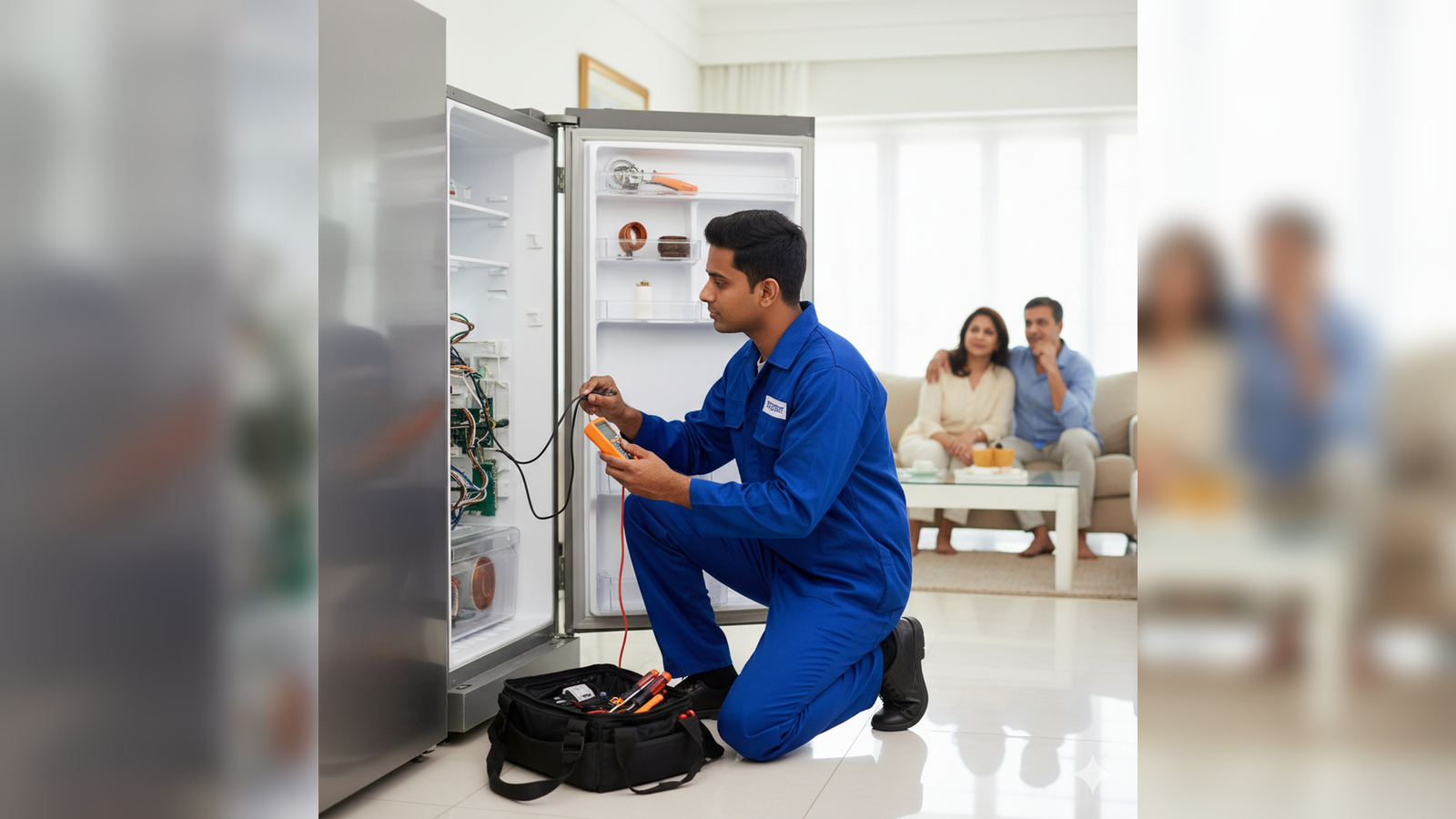
Overview
This work involves diagnosing and repairing air conditioners, refrigerators, coolers, and related cooling appliances. It can include installation support, gas-related servicing coordination, electrical fault checking, part replacement, preventive maintenance, and local service visits for households and small businesses.
Who this is suitable for
Suitable for practical, technically inclined youth and adults who can do field service work, use tools, learn appliance systems, and build trust through reliable repairs.
Who should avoid it
Not ideal for users who dislike technical troubleshooting, field visits, customer homes, or safety-focused equipment handling.
First Steps
-
Build safe starter-level appliance repair skills
Learn basic electrical checks, cooling-appliance parts, common AC and refrigerator faults, safe tool use, and service discipline before taking paid jobs. -
Arrange toolkit and spare-part access
Keep a starter tool kit ready and identify nearby suppliers for common appliance parts, capacitors, thermostats, wiring items, switches, and repair consumables. -
Start with simple service jobs
Begin with basic inspection, cleaning, installation support, fan or thermostat-related issues, visible wiring faults, and routine maintenance before moving into more complex repair work. -
Build local trust through timely home visits
Take service calls from neighbors, housing societies, shops, offices, and local contacts, and focus on punctuality, clear explanation, and neat service work. -
Expand into seasonal and repeat maintenance work
After building skill and reputation, add annual maintenance, summer AC servicing, small commercial service, and repeat household support within your technical comfort level.
Risks and Challenges
-
Complex repairs too early: Taking advanced cooling-system or compressor-related repair work too early can lead to damage, repeat complaints, or expensive mistakes.
-
Wrong diagnosis of appliance faults: If the actual fault is diagnosed incorrectly, the customer may pay twice, lose trust, and avoid repeat service.
-
Seasonal income variation: AC-related demand can rise sharply in warm months, while refrigerator and general appliance demand may be steadier but still depend on local customer flow.
-
Underpricing visits and parts handling: Some technicians charge only for visible parts and forget to price diagnosis time, travel, small consumables, and labor properly.
Practical Fit
Where It Works Best
Market Dependency:
Demand depends on household appliance usage, summer service demand, commercial establishments, housing density, and local referral networks.
Raw Material Dependency:
Requires access to spare parts, testing items, wiring materials, cooling-related consumables, and common appliance components.
How to Succeed
When you may start earning:
Usually within 2 to 8 weeks
Success Tips:
Start with safe basic jobs, build technical accuracy gradually, keep service charges transparent, and grow through repeat maintenance and seasonal service demand.
Common Mistakes to Avoid:
Taking advanced repair work too early, poor diagnosis, unsafe handling, and unclear pricing can damage trust and create costly repeat visits.