Tailoring and Alteration Service
Flexible home-based or shop-based service for users with stitching skills.
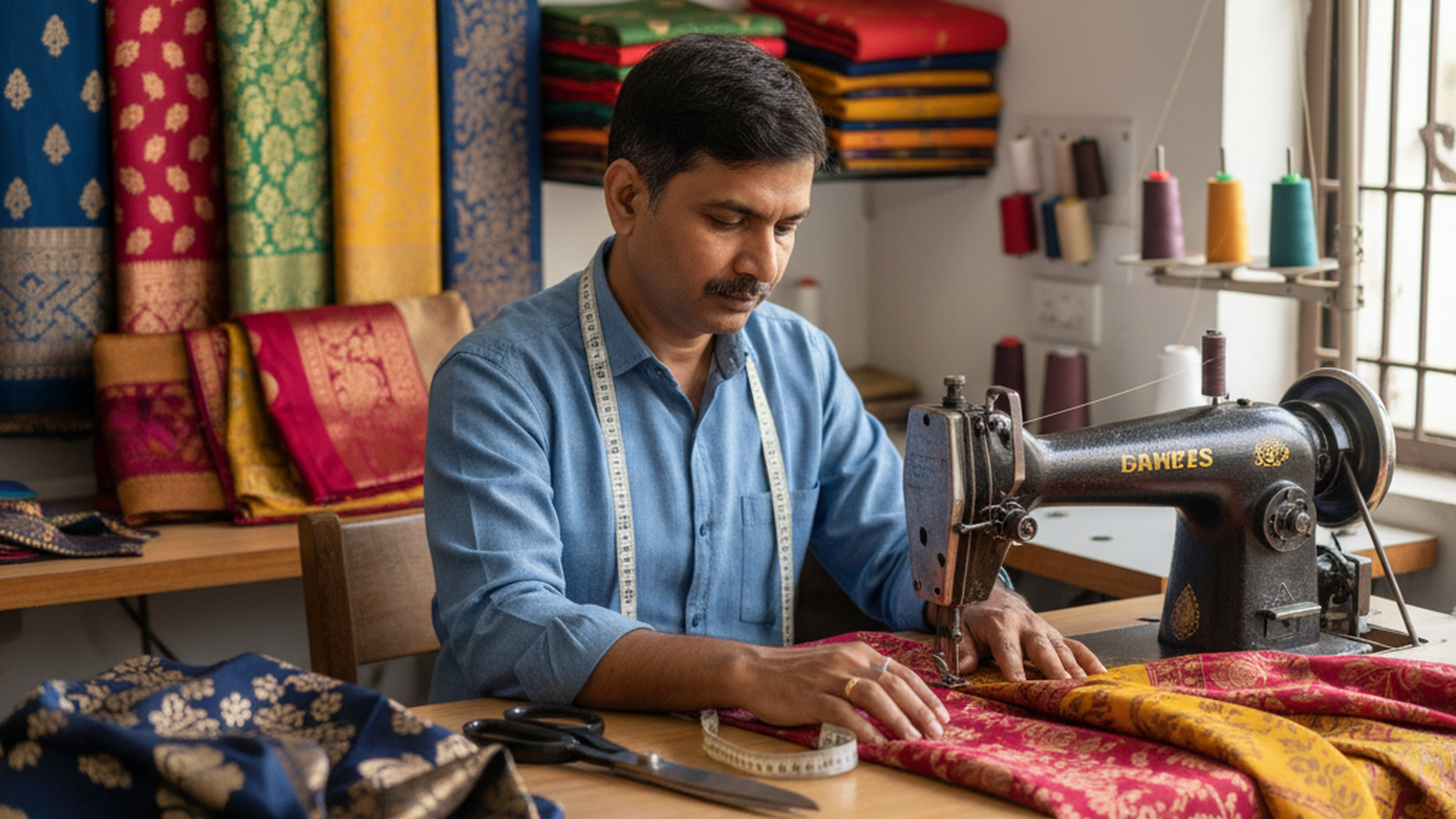
Overview
Tailoring and alteration work includes blouse stitching, school uniform repairs, daily wear adjustments, fall-pico work, and custom small garment stitching.
Who this is suitable for
Suitable for homemakers and users with sewing skills or willingness to learn.
Who should avoid it
Not ideal for users who do not enjoy detail-oriented manual work.
First Steps
-
Start with alteration-friendly services
Begin with simpler work such as pant hemming, blouse fitting changes, school uniform repairs, fall-pico work, hook replacement, and zip repair. -
Set up basic tools and workspace
Arrange a sewing machine, scissors, measuring tape, chalk, thread, needles, and a small clean workspace at home or in a local shop corner. -
Take trial orders from neighbors and family circles
Build confidence and local trust by taking a few paid or low-risk orders from known people before expanding to more customers. -
Create a simple pricing and delivery system
Set clear rates for common alteration jobs, note delivery dates carefully, and maintain a basic order register to avoid confusion. -
Expand into repeat and seasonal demand
After building trust, add blouse stitching, uniforms, petticoats, ladies suits, festival stitching, and referral-based neighborhood orders.
Risks and Challenges
-
Measurement mistakes: Wrong measurements or poor fitting can quickly reduce customer trust and create rework or refund pressure.
-
Delayed order delivery: Missing promised delivery dates, especially during wedding, festival, or school-uniform seasons, can harm local reputation.
-
Underpricing labor: Many beginners charge too little and fail to account for thread, finishing time, electricity, and the value of skilled manual work.
-
Skill ceiling without improvement: Income may remain limited if the worker never moves beyond simple repairs into better-paying custom stitching or specialty work.
Practical Fit
Where It Works Best
Market Dependency:
Works in almost all populated jobs_districts if service quality is good.
Raw Material Dependency:
Basic cloth accessories and tailoring materials are needed.
How to Succeed
When you may start earning:
Can start earning in 2 to 4 weeks
Success Tips:
Start with alterations and referrals from neighbors to build trust.
Common Mistakes to Avoid:
Taking poorly measured orders can create customer dissatisfaction.